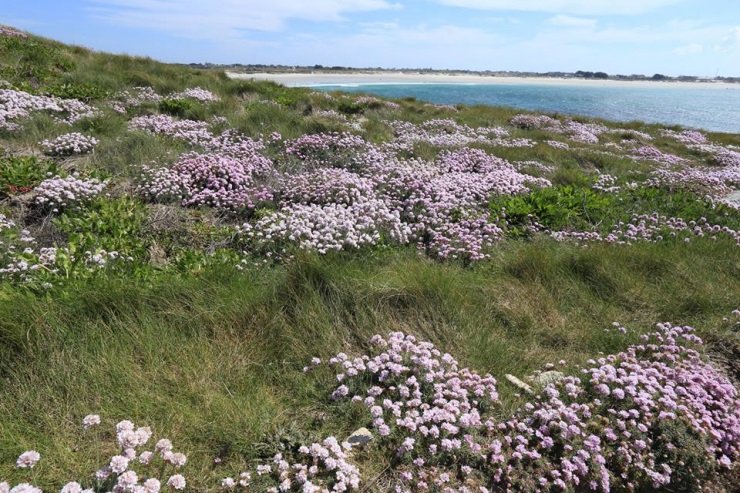
L’été est bien là, à Quimper 
Un coucher de soleil sur le Vieux-Port de Marseille

RECETTES
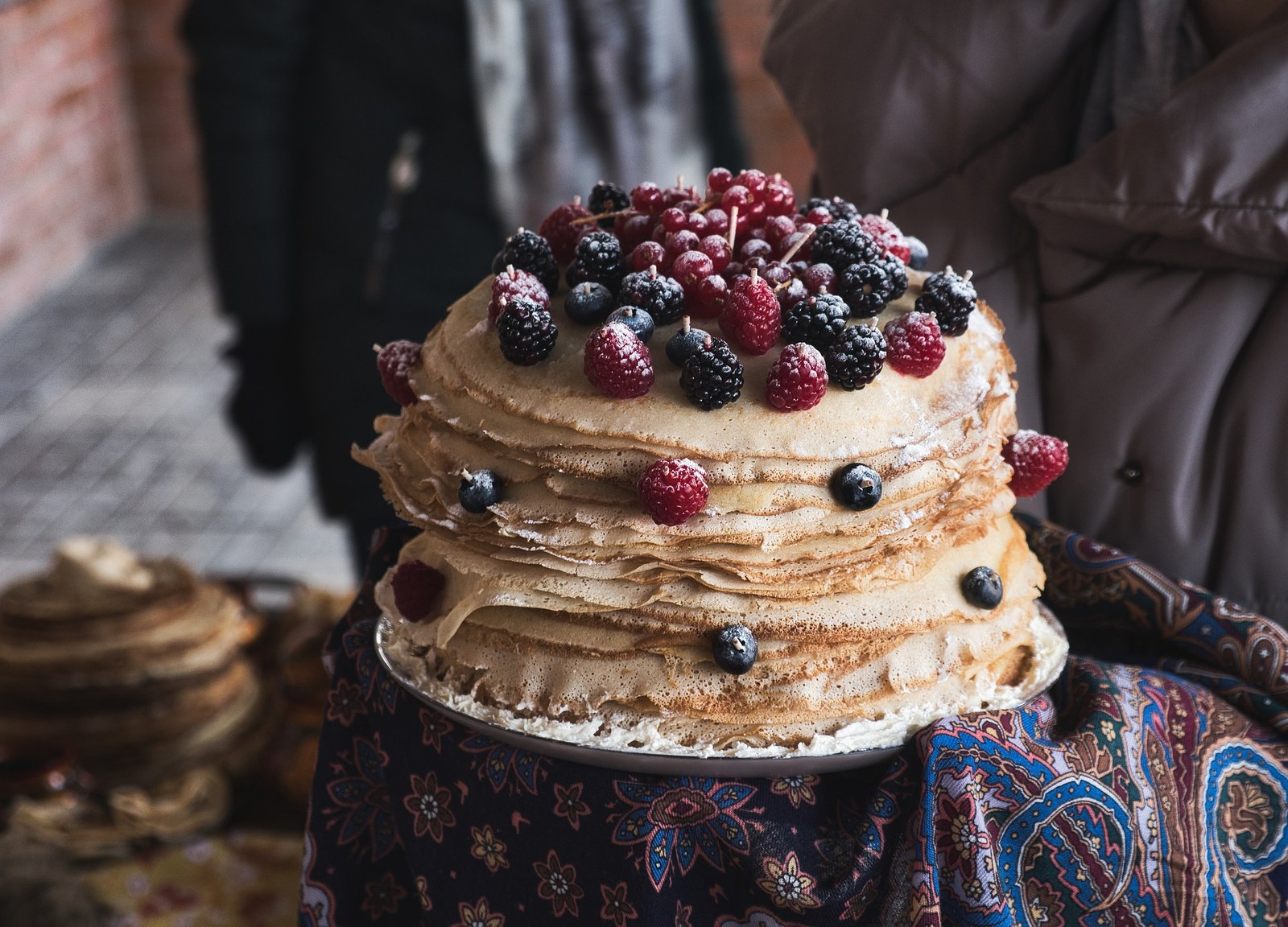
Here is another delicious recipe from the south of France! Navettes de Marseille (also called Navettes de Saint-Victor) are small, boat-shaped shortbread biscuits perfumed with orange blossom water. Traditionally eaten on Candlemas (La Chandeleur, 2nd February), they’re wonderful any time of year. In Menton, it’s customary to add ground almonds and honey to the recipe. Navettes are crisp, fragrant biscuits perfumed with orange blossom, originally created as an alternative to crêpes for Candlemas. It’s said that M. Aveyrous, the pastry chef who created the navette, was inspired in 1781 by the small boat (nef) that, according to Provençal legend, brought the Holy Marys to the shores of Provence. Every year on 2nd February, the Candlemas ceremony takes place at the Abbaye Saint-Victor — the oldest church in Marseille. A black Virgin Mary statue is paraded through the streets surrounded by green candles symbolising light, hope and purifying fire. The procession ends at the Four des Navettes, a bakery over 230 years old that was once the abbey’s own bread oven. Bon appétit! 🌸🇫🇷 Tapenade is a Provençal olive paste from Marseille, made with olives, capers and anchovies. The name comes from the Provençal word tapeno, meaning “caper”. It’s wonderful simply spread on toasted bread with a glass of rosé, but it can also be used to stuff poultry or swirled into pasta. I particularly love using it to make party twists: I spread homemade tapenade over a sheet of puff pastry, cut it into strips, twist each strip and bake for a few minutes. They disappear every single time! Look for Salonenque or Béruguette cracked green olives from Provence — they have the best flavour for tapenade. This recipe is very quick to prepare. If you can, use a mortar and pestle rather than a food processor — pounding the olives slowly releases their essential oils and gives a far more complex, aromatic flavour. If you don’t have a mortar, use a large bowl and mash everything with a fork. Bon appétit! 🫒🌿 Tip: Tapenade keeps for up to 1 week in a sealed jar in the fridge. Cover the surface with a thin layer of olive oil to keep it fresh. Piperade is a traditional dish from the Basque Country and the Béarn region of south-west France. Its name comes from the Basque word pipèr, meaning red pepper. It can be served as a main dish or as a side alongside meat, Bayonne ham, fish or sheep’s cheese. The colours of this dish beautifully reflect those of the Basque flag, the Ikurriña: red, green and white. This dish is traditionally cooked in a cazuela — a terracotta cooking pot. If you don’t have one, a large frying pan or wok works perfectly well. The key ingredient is the sweet pepper. 💡 Tip: If you buy fresh Espelette peppers in the Basque Country during their season (May to October), you can freeze them: simply remove the seeds first, then seal in a freezer bag. Bon appétit! 🌶️🇫🇷 My grandmother made us this prune Far Breton often, and it was always a highlight. This classic Breton clafoutis is absolutely delicious at any time of day, and surprisingly simple to prepare. If you’ve tried it with prunes but aren’t a fan, you can replace them with apple slices sautéed in butter — equally wonderful! You might wonder: why prunes in Brittany, when plums don’t grow there? The story goes that Breton fishermen used to sail to Iceland to catch cod. On their return, the people of Agen would trade their famous prunes for the cod — and the prune found its way into this beloved Breton dessert. Debrit ervat! 🇫🇷 (Bon appétit in Breton!) Tip: Far Breton keeps well in the fridge for 2–3 days. It’s best eaten at room temperature, so take it out about 30 minutes before serving. Finding the perfect crêpe recipe is no easy feat! Today I’m sharing my family’s treasured recipe — simple, reliable, and absolutely delicious. My maternal grandmother, Marie Guëlou, was from Saint-Brieuc in Brittany, and she made us the most wonderful light, fragrant crêpes. We adored them — and we adored her! Over the centuries, crêpes have become a festive dish in France, shared generously with family and friends. The only challenge? Being patient enough to let the batter rest! Resting the batter allows the flour to fully absorb the eggs and milk, which thickens it. This means it spreads more evenly across the pan and your crêpes will turn out wonderfully silky and tender. You can even leave the batter in the fridge overnight, covered with cling film — you’ll have a perfect batter ready to go in the morning! In a hurry? There’s a trick! Simply warm your milk before adding it to the other ingredients. In just ten minutes, the flour will have absorbed the liquid and you’ll be ready to cook your crêpes straight away. The best option is a thin, flat crêpe pan (crêpière or billig in Breton). If you don’t have one, a good non-stick pan (Tefal-style) works perfectly well — just make sure it has a good coating so the crêpes don’t stick. 💡 Pro tip: To nail the first crêpe (the one that always gets sacrificed!), preheat your pan thoroughly before adding any batter, then lightly butter it. That first crêpe will be perfect. This recipe is for sweet crêpes. The best choice is plain wheat flour (T55 is slightly more wholesome than T45 as it retains more of the bran). For savoury buckwheat galettes, you’ll need a different recipe using buckwheat flour (farine de blé noir). Bonne dégustation! 🥞🇫🇷 Tip: To keep leftover crêpes, stack them with a sheet of baking paper between each one, wrap in cling film and store in the fridge for up to 2 days, or freeze for up to 1 month.Navettes de Marseille – Orange Blossom Shortbread

History and Origins
Where to Find Navettes in Marseille
Ingredients (makes about 24 navettes)
Instructions
You might also like
Green Anchovy Tapenade

Which green olives to use?
Ingredients
Instructions
You might also like
Vegetables with Sweet Peppers – Piperade

Ingredients (serves 4)
Instructions
You might also like
Prune Clafoutis – Far Breton

Ingredients
Instructions
You might also like
Original Breton Crêpes Recipe – Crêpes Krampouezh
Why does crêpe batter need to rest?
Tip: how to skip the resting time
Which pan to use?
Which flour to use?
The Original Breton Crêpe Batter Recipe
Ingredients (makes about 15–20 crêpes)
Instructions
Serving ideas
You might also like